
Discover Mana Village: India’s Last Village Near Badrinath 🌄
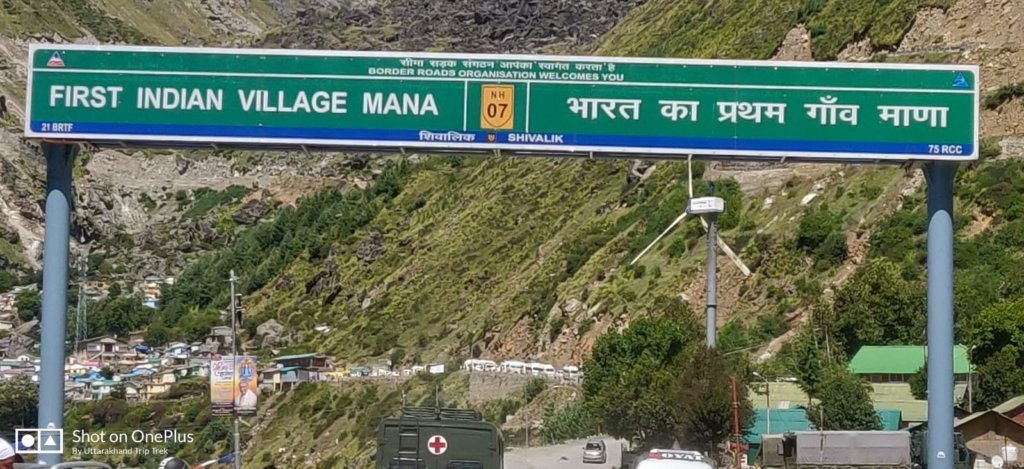
Mana Village, located at the foot of the majestic Himalayas, is a hidden gem of Uttarakhand and one of the most sought-after destinations for those seeking peace, spirituality, and natural beauty. Situated near the sacred Badrinath Temple, Mana holds the distinction of being the last village of India before the borders with China, adding a layer of mystery and intrigue to its already captivating allure. A visit to Mana is not just a journey to the edge of India but a dive into the heart of Hindu mythology, rich cultural heritage, and breathtaking Himalayan landscapes.
🏞️ The Last Village of India
Mana is often referred to as the “Last Village of India” because it lies at the northernmost part of the country, close to the Indo-Tibetan border. This village, perched at an altitude of approximately 3,200 meters (10,500 feet), is surrounded by the towering peaks of the Himalayas. Mana is not just a geographical location; it is a symbol of India’s resilience, spirituality, and connection to nature. Travelers to Mana get the rare opportunity to witness rural life at the base of the world’s highest mountain range, in one of the most isolated, peaceful corners of the country.
⛪ Rich Cultural and Spiritual Heritage
Mana Village is steeped in rich cultural heritage that dates back centuries. It is one of the most sacred villages in Uttarakhand and holds deep religious significance for Hindus. It is believed that the Pandavas, the five brothers from the epic Mahabharata, passed through this village during their journey to the Himalayas for their final pilgrimage. According to Hindu legends, the last rites of the Pandavas took place in the region near Mana, adding a profound layer of sacredness to this serene village.
- Mahabharata Connection: One of the major attractions in Mana is the Vyas Gufa (Vyas Cave), where it is believed that Maharishi Vyas wrote the epic Mahabharata. Pilgrims and visitors come here to pay homage to the sage who is said to have meditated and penned down the great epic in this very cave.
- Bhim Pul: Another important site is Bhim Pul, a natural stone bridge believed to have been created by Bhima, one of the Pandava brothers, to help his mother Kunti cross the Saraswati River. The bridge is an awe-inspiring natural formation that adds to the village’s legendary and mythological status.
🌸 Breathtaking Natural Beauty
Mana is famous for its breathtaking natural beauty, offering visitors a visual treat at every turn. The village is surrounded by towering snow-capped peaks, lush green valleys, and flowing rivers, including the Alaknanda River, which adds a serene touch to the landscape. The majestic Himalayas form the perfect backdrop, making it a paradise for nature lovers and photographers alike.
- Alaknanda River: Mana is situated near the confluence of the Alaknanda River and several tributaries, offering an opportunity to explore the river’s pristine beauty. The sound of the flowing river combined with the fresh mountain air creates a peaceful atmosphere that is perfect for meditation and relaxation.
- Vibrant Flora and Fauna: The area around Mana is rich in flora and fauna. Visitors can spot a variety of Himalayan plants, herbs, and flowers. The diverse wildlife includes species such as the Himalayan Monal, the state bird of Uttarakhand, and Musk Deer.
🙏 Spiritual and Pilgrimage Destination
Mana holds deep spiritual significance, particularly for Hindu pilgrims who visit the nearby Badrinath Temple. The village is often included as a part of the Chardham Yatra, a major pilgrimage circuit that encompasses the four sacred sites of Yamunotri, Gangotri, Kedarnath, and Badrinath.
- Badrinath Temple: This temple, dedicated to Lord Vishnu, is one of the holiest sites for Hindus, and Mana acts as a gateway to it. Many pilgrims visit Mana to seek blessings before heading to Badrinath for their spiritual journey.
- A Sacred Site for Meditation: Mana’s peaceful environment makes it an ideal spot for meditation and introspection. For centuries, sages, rishis, and monks have come here to meditate in solitude, seeking divine knowledge and peace. The village’s calm surroundings and deep spiritual connection with Hindu mythology continue to draw people looking for spiritual awakening.
🌿 Tranquil Environment and Adventure
While Mana is a spiritual hub, it also offers ample opportunities for adventure. The village is an excellent starting point for trekking and exploring the rugged terrain of the Himalayas. There are numerous trekking routes that lead to breathtaking viewpoints, allowing trekkers to experience the rugged beauty of this remote corner of the world.
- Trekking Opportunities: Mana is surrounded by numerous trekking trails, some of which lead to destinations like the Satopanth Lake and Bhagirathi Glacier. These treks are suitable for both beginners and seasoned trekkers, offering an unforgettable experience of the Himalayan wilderness.
- Camping and Nature Walks: For those who wish to immerse themselves in nature, Mana offers options for camping under the stars or taking leisurely nature walks. The peace and quiet, coupled with the crisp mountain air, make it a perfect place to reconnect with nature.
🎒 Plan Your Visit to Mana Village
Mana Village is an untouched paradise that offers a perfect blend of spirituality, adventure, and natural beauty. Whether you are a pilgrim seeking solace, an adventure enthusiast looking for new trekking experiences, or simply someone in search of peace away from the chaos of modern life, Mana has something for everyone. Here are some tips for planning your visit:
Cultural Etiquette: As a place of deep cultural and spiritual significance, visitors are encouraged to respect the local traditions and the serenity of the surroundings.
Best Time to Visit: The best time to visit Mana is between May and October, when the weather is pleasant and ideal for trekking and sightseeing. The winter months (November to February) bring heavy snow, which makes travel difficult.
Accommodation: While Mana is a small village with limited facilities, there are guesthouses and basic accommodations available for visitors. It’s advisable to book in advance during the peak season.
How to Reach: Mana is accessible from Joshimath, which is well connected by road to major cities in Uttarakhand like Haridwar, Rishikesh, and Dehradun. From Joshimath, a short drive or trek will take you to the village.